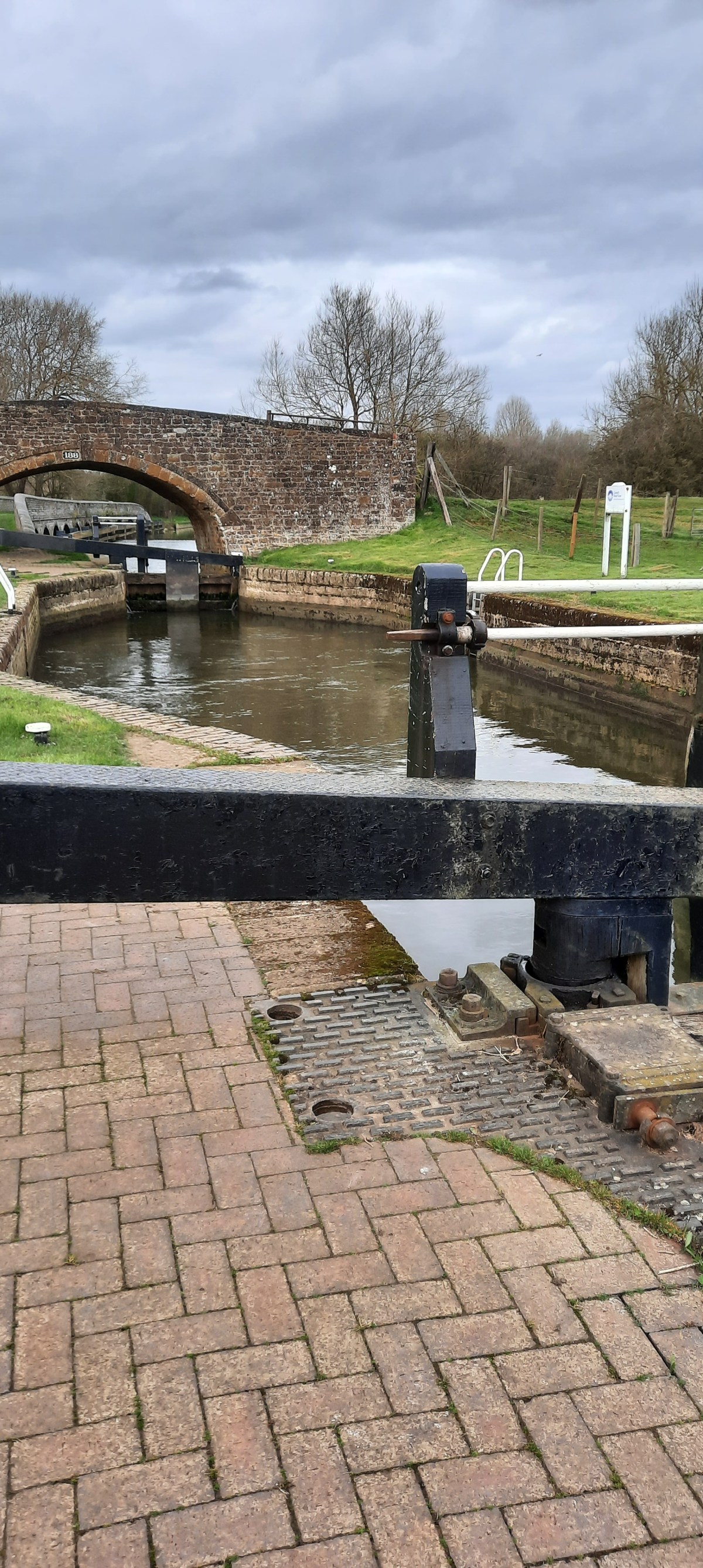
After five months on the boat with R, today was like a continuous assessment examination – at least that’s how it felt as we started out from Banbury and I did everything as though R wasn’t on the boat (in fairness, when we stopped at the facilities he did the Elsan but I’ve had plenty of practice over the months so I don’t think that needs testing!). This is in preparation for when he goes back and forth home to mow the lawn and sort paperwork etc. Originally we were due to leave the boat at the end of March because another couple were booked to take it, but plans have changed and it’s available now until mid June. It always seemed sad that we would miss the change of season, the trees blossoming and the wild spring flowers bursting forth with unexpected colour on the towpath verges. Not to mention, we hope, warmer sunny weather, although that is never a given in Britain! So R and I came to a compromise that means we are now leaving the boat at the end of April.
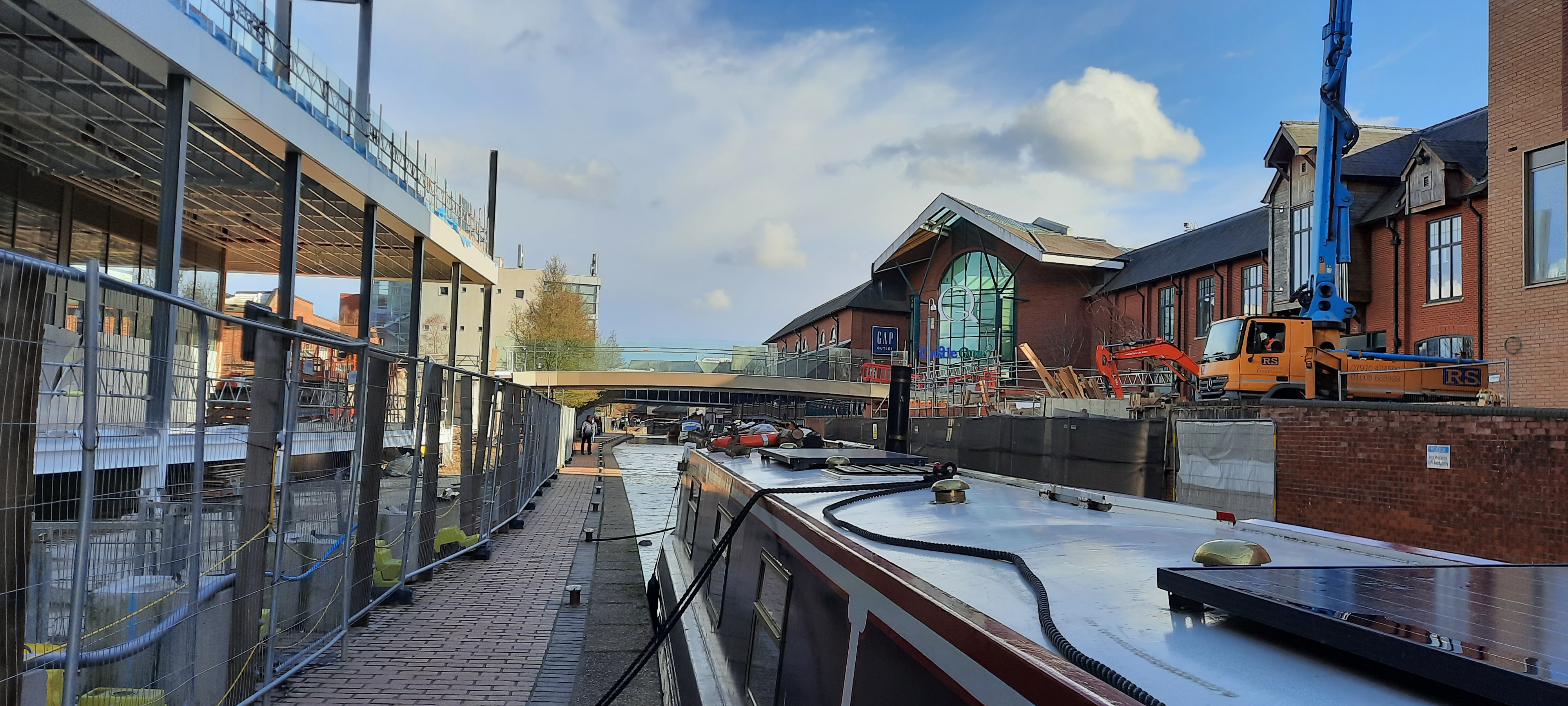
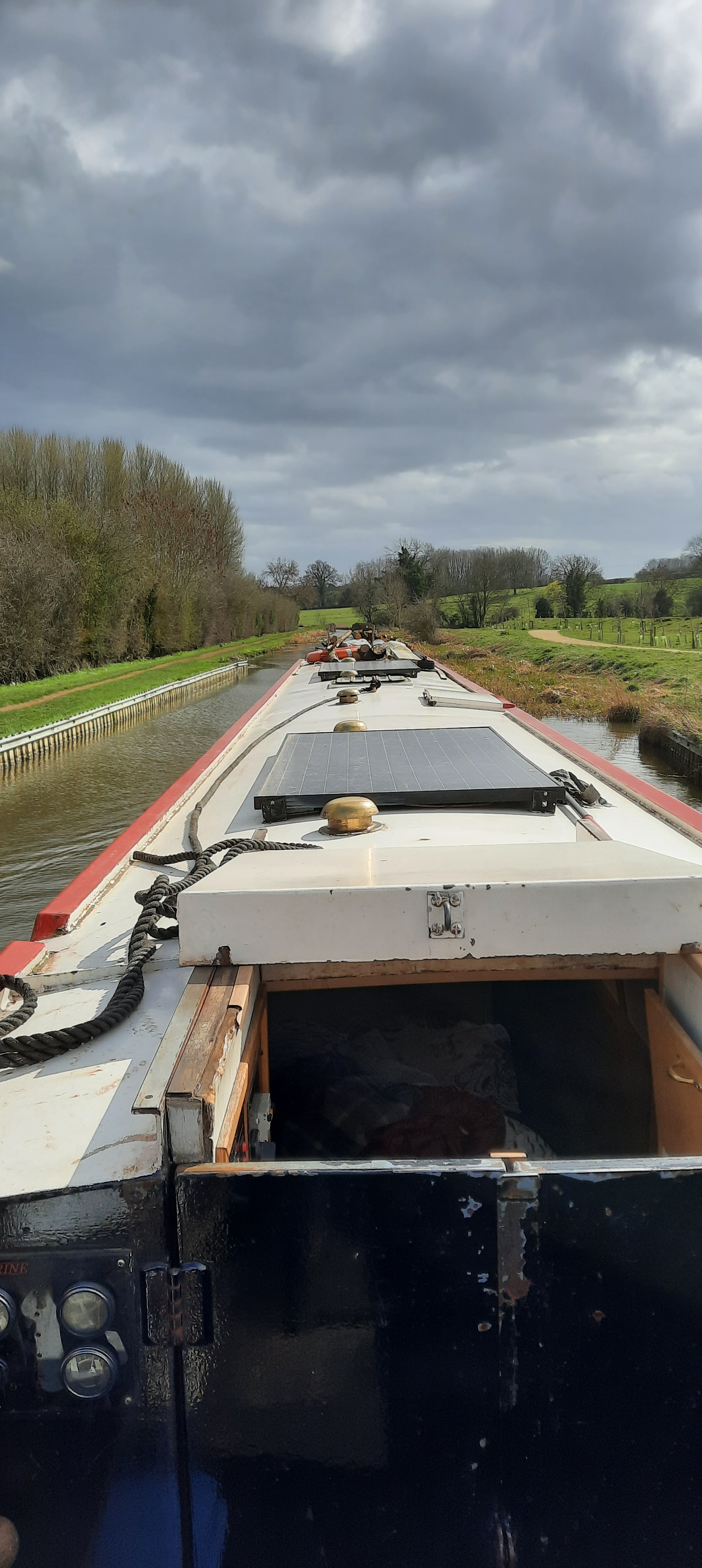
Which brings me back to the continuous assessment! I wanted to prove to myself I was capable of handling the boat on my own if for any reason I need to move it. I didn’t want to feel trapped in one place because I was uncertain of how to operate a lock on my own, or moor up the boat. Funnily enough the latter proved the most tricky, but more of that later! Over the months teamwork has been key and we have devised ways of doing things which naturally fall into two roles. So I have never done everything alone and certainly, when working the locks, you need to be systematic or you can end up in a right old pickle. The midrope is a case in point. If you don’t think ahead as to which side of the roof you are going to have to grab it from it’s pretty useless to you, especially when ‘walking’ the boat out of the lock chamber. It needs to be quick and easy to grab hold of. It’s also vital to loosely tie the mid rope to a bollard in the lock so that when the boat lowers down and no one is on it, it’s possible to keep the boat steady. There’s a sill on the lock gate that if the boat gets caught on, will tip the boat and cause a lot of damage. Easy with two of you – one keeps an eye whilst on the helm and moves the boat back and forth as necessary.


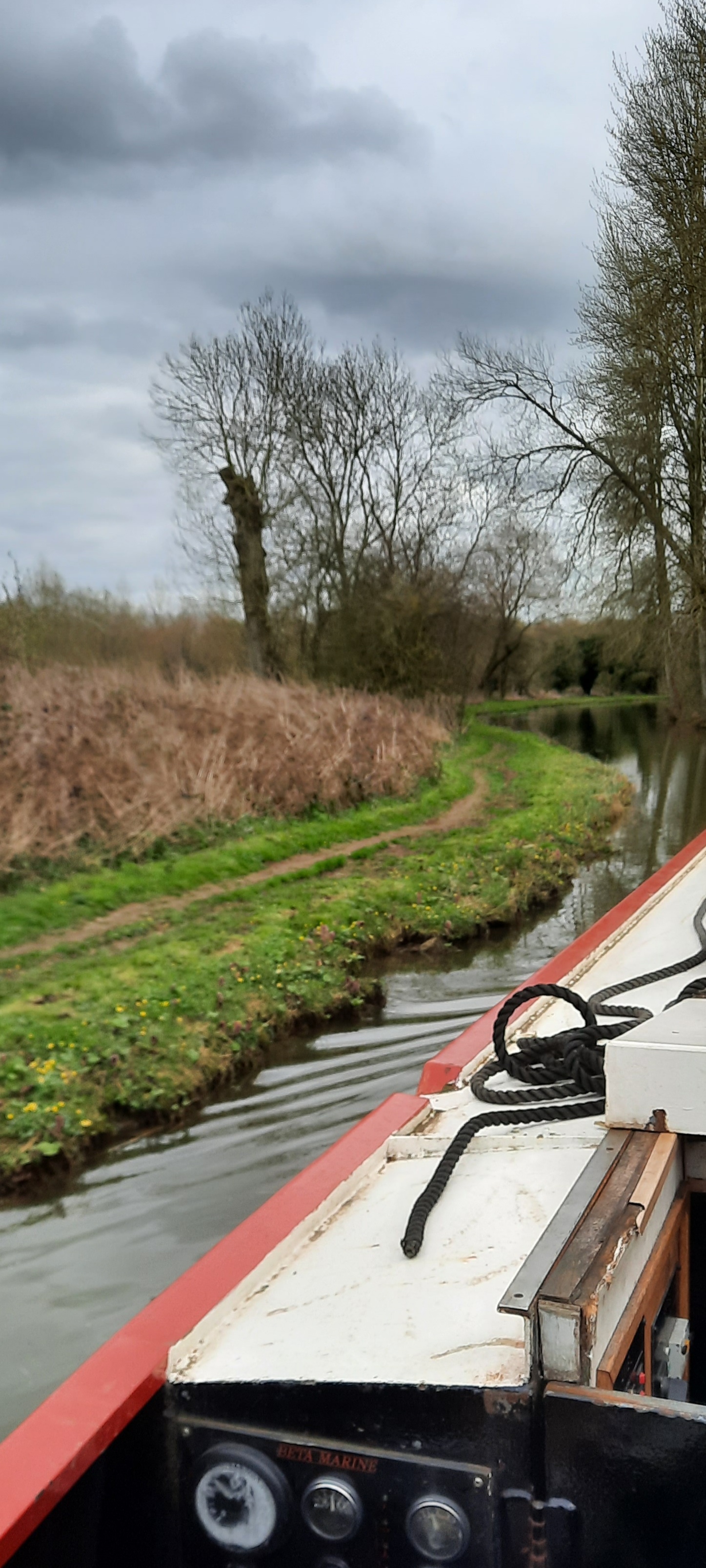
What I had to battle with today was a moderate wind, which made handling the boat a bit more tricky as it felt like it has a mind of its own. Just going slowly past the moored boats along a narrow stretch of canal, meant that our boat was veering sideways rather than moving forward and I thought I would scrape the moored boats . Once at the lock I had to moor up; leave the boat to fill the chamber by opening the paddles (problem if too stiff and hard to move but luckily not in this instance); open the gate (can be easier said than done!); return to the boat, unmoor being careful not to trail the rope in the water where it could get tangled with the propellor; look ahead to see which side the bollards in the lock are on so that I put rope same side on roof; manoeuvre boat very slowly into lock reversing slightly to halt its progress forward; jump off boat and shut gate and lower paddles; secure rope to bollard but loosely to cut enough slack as the boat lowers down; open front paddles to let the water out, then take hold of rope to steady boat in chamber; open gate, remembering to lower paddles; walk boat out of chamber or throw rope onto towpath side of roof and then lower myself down slippery ladder to the helm of boat and steer it out of chamber; moor up on bollards and return to lock to shut the gate (or gates – if there are two there’s a lot of extra walking, remembering the lock is 70ft in length!); return to boat, thinking ahead as to where the midrope should be placed for next mooring up; push off from the side at the front of the boat to get into the middle of the canal but quickly return to the other end of boat to jump aboard before that end leaves the water’s edge! What a palaver on ones own – it takes twice as long and requires concentration as well as muscle power. Pulling the boat into the side is hardwork at the best of times but with a wind as well, it requires a lot of strength and weight. Up till now R has always done it and I had never fully appreciated how hard he has worked – a 60ft boat with approx 12 tons of weight to move.
I think I did 4 locks (lost count!) so felt quite proficient by the end! One was very strange – it was hexagonal in shape so can fit up to 4 boats. A boat on its own has to be secured so as not to drift into the middle of the chamber and it was very tricky ‘walking’ it out. It is a ‘wier lock’ and if the river is running too fast into the canal there’s a warning board which means you are not allowed to enter the lock and have to wait until the weather improves. Luckily for us that wasn’t a problem today.
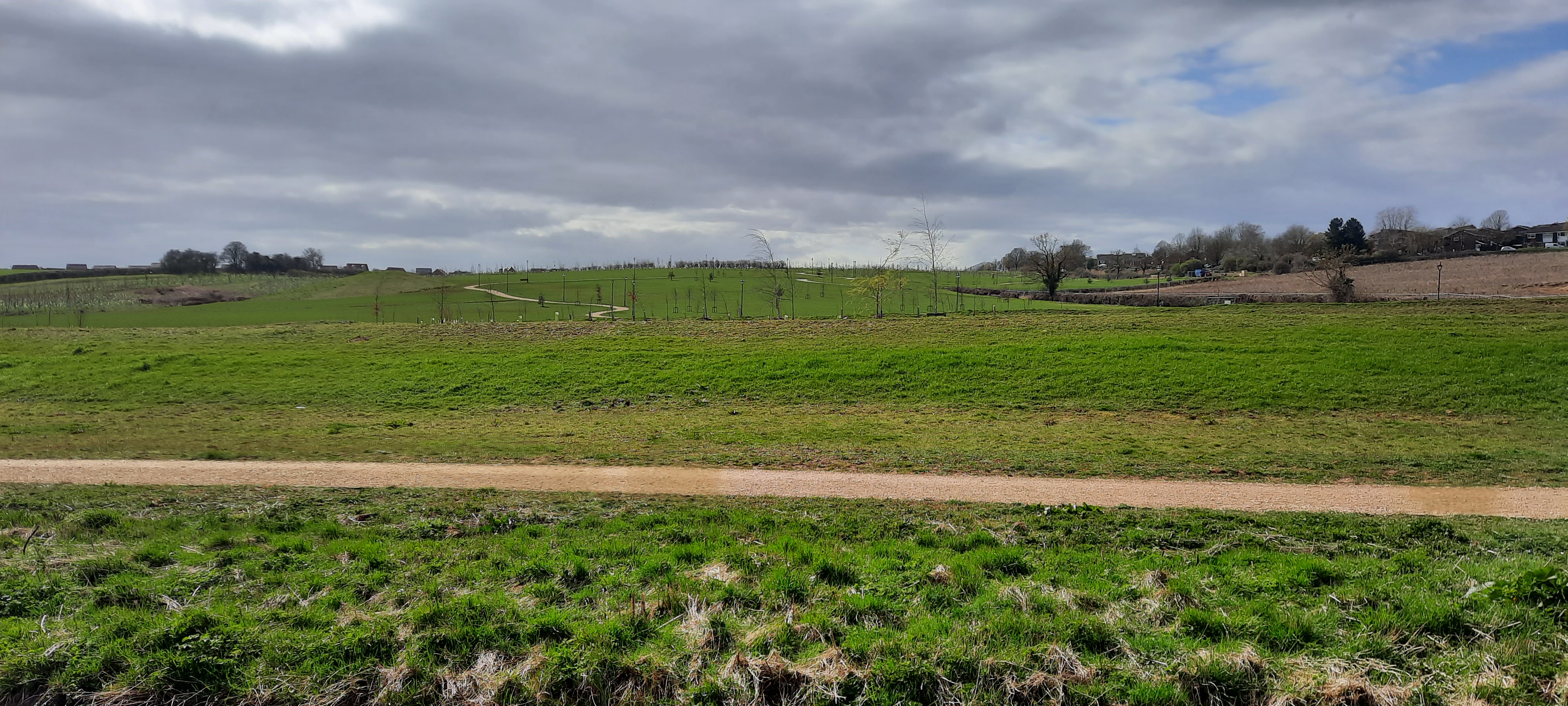
What was a problem was my mooring up for the night! We found a lovely stretch of water with few trees and a beautiful view across flat fields so I assumed I could move the boat parallel to the canal side, jump off midrope in hand, pull the boat close alongside and secure midrope. Then secure fore and aft ropes. I hadn’t factored in the wind, nor the fact that there were no trees to act as a natural wind break. The one available tree I tried to use as a bollard to secure the midrope around, but try as I might, I could not pull the bow of the boat in – it kept veering into the centre of the canal. Eventually I decided to hop back on board and try to steer the front round but all I succeeded in doing was drifting the entire boat to the muddy side of the canal and getting stuck (meanwhile R was watching helplessness from the towpath!). I tried to pushoff using the boat pole but didn’t have the strength to make a difference. Eventually by reversing hard I freed the boat from the mud but then heard a plop – the pole was floating (luckily it didn’t sink!) in the canal. So I went to the bow and found the grabber stick we use for picking up rubbish, walked along the outside edge of the boat where the pole was parallel and quite closely, managed to grab it, haul it up side of boat into my hand whilst still holding onto boat with other hand. Amazing what you do when you have to! Safely back at the helm, pole secured, I reversed the boat back to the towpath and threw R the midrope. I just couldn’t do it on my own. So what did I learn? It may look picturesque to moor the boat with no windbreak and a beautiful view but actually if it is windy, find a sheltered mooring!!

After all the excitement of the day I was pleasantly tired but luckily still had energy to cook the planned supper I had deliberately bought all the ingredients for. It was a Joe Wicks vegetarian cottage pie, using diced cauliflower (should have been blitzed but I don’t have food processor) instead of potato mash, with grated cheese on top. The beauty of it on the boat was that I didn’t need to use the oven. You assemble the pie hot, top with cheese and grill. It was delicious and well worth the effort.
Started watching The Crown, series 4, but I must say I wasn’t gripped and when R asked if I wanted to see the next episode I declined. Maybe I was just tired from the day’s excursions or maybe its not so gripping watching events you remember. Whatever the reason I took myself off to bed and was asleep almost as my head hit the pillow. Did then awake at 0330, which is now 0430 and wrote up the blog, in the hopes I will drift off to sleep again before daylight. There’s something banging on the roof due to the wind which is very irritating but I can’t bring myself to investigate outside in the dark!
 NarrowboatTLC
One reply on “Saturday 27th March”
Wow Mary, that all sounds very impressive! Well done.
What always amazes me is that some people are just so naturally proficient without ever having been taught- how did Richard know how to do all of this or was he bought up on a boat?
Sounds like you are still having a lovely time and certainly seeing more than you would at home!
Great photographs too!
Enjoy, Heather XX
LikeLike